
What goes through your mind when you hear about changemakers?
Perhaps you imagine influential leaders, social entrepreneurs, activists, or people whose names are connected with major movements. Yet, changemaking is not reserved for those with global recognition, large platforms, or extraordinary resources.
But where do changemakers come from?
Do they appear when a person gains influence, wealth, or a public platform? Do they emerge only from prestigious institutions, powerful organizations, or positions of authority?
History tells a different story.
Many people who create meaningful change begin with something much simpler: a concern for something that matters, a willingness to act, and a community that helps their vision grow.
A teacher who inspires students, a young person who develops solutions, a neighbor who brings people together, or a group that believes in a better future can all become catalysts for transformation.
Changemakers are shaped through relationships, encouragement, shared experiences, and opportunities to contribute.
The future of communities depends not only on solving today’s challenges but also on developing the people who will create solutions for tomorrow’s world. This is how communities become powerful engines of lasting change.
What Does a Changemaker Do?
A changemaker is someone who sees a possibility for improvement and chooses to participate in creating it.
They do not wait for someone else to take responsibility but recognize challenges, imagine solutions, collaborate with others, and take meaningful steps toward progress.
A changemaker could be addressing education gaps, protecting the environment, supporting vulnerable groups, improving healthcare access, or creating opportunities for young people.
The role is not limited to founders of organizations or global leaders. Changemaking begins wherever someone chooses to turn awareness into action.
Learn more about this in the 7 Strategies To Raise Impact-Driven Leaders That Transform Communities.
According to changemaking frameworks, effective changemakers often develop qualities such as empathy, teamwork, shared leadership, and creative problem-solving. These abilities allow people to understand different perspectives, build partnerships, and create solutions that serve communities better.
The greatest misconception about change is that it belongs to a select few. In reality, every person has the ability to contribute. The difference begins when individuals recognize that their skills, experiences, and ideas can become valuable tools for improving the lives of others.
Communities Are the Training Ground for Change
Every changemaker needs an environment where their potential can develop.
A community creates a network of relationships where people learn, share ideas, receive support, and discover their ability to contribute.
Think about a young person with a creative idea to support their neighborhood. Without encouragement, mentorship, or access to resources, that idea may never move beyond a thought.
When surrounded by people who believe in their potential, that same idea can become an initiative that benefits many others.
This is why mentorship remains one of the most powerful tools for developing people who are prepared to lead and serve others. Explore 7 Roles of Mentorship in Shaping Future Leaders.
Communities create confidence and remind people that their voices matter and that their contributions have value. This sense of belonging often becomes the foundation for action.
Strong communities do not only ask, “Who can solve this problem?” They also ask, “Who can we empower to become part of the solution?”
That shift changes everything.
Instead of depending on a few individuals, communities develop a culture where more people recognize their responsibility and capacity to create positive change.
5 Ingredients of a Changemaking Community
A community that produces changemakers does not happen by accident. It requires intentional effort and shared commitment.
1. A Shared Purpose
People unite when they understand what they are working toward.
A shared purpose creates direction. It allows individuals with different backgrounds, skills, and experiences to work together toward a common goal.
Whether the focus is improving education, reducing poverty, protecting nature, or supporting youth development, a clear vision helps people move from conversations into action.
2. Opportunities to Participate
Potential remains hidden when people are never given opportunities to contribute. Communities must create spaces where individuals can take responsibility, share ideas, and develop solutions. This can happen through mentorship programs, volunteer opportunities, leadership initiatives, community projects, and partnerships.
People often discover their leadership abilities when they are trusted with meaningful responsibilities.
3. Mentorship and Knowledge Sharing
Many changemakers can identify a problem but need guidance on how to create sustainable solutions. Mentors help transform passion into practical action. They share lessons from experience, provide encouragement during difficult moments, and help emerging leaders avoid challenges that others have already faced.
A community that invests in mentorship multiplies its impact because knowledge and experience continue passing from one generation to another.
4. Collaboration Across Differences
Complex problems rarely have simple solutions. Communities become stronger when people with different perspectives work together. Students, educators, businesses, nonprofit organizations, government leaders, and local residents all bring unique insights.
Collaboration allows communities to understand challenges more deeply and develop solutions that reflect the realities of the people affected. Read more about Why Global Collaboration Is Key to Achieving Development Goals.
5. A Culture of Trust and Empowerment
Changemakers emerge in environments where people feel trusted, valued, and encouraged to take action. When communities create spaces where individuals can share ideas, make decisions, and contribute their strengths, they unlock hidden potential.
Empowerment transforms people from passive participants into active contributors who believe they can influence positive change and help shape the future of their communities.
How Communities Transform Ordinary People Into Changemakers
Many people underestimate their ability to create impact because they believe change requires extraordinary resources or recognition. The truth is that changemaking often begins with ordinary actions.
A person who identifies a need and gathers others around a solution has already started the journey. Someone who shares knowledge, supports another person’s growth, or creates opportunities for others is contributing to transformation.
Communities help people discover three important things:
Their voice matters: People become more willing to act when they understand that their experiences and perspectives can contribute to solutions.
Their skills have value: Every person carries something useful: creativity, communication skills, technical knowledge, compassion, organization, or leadership ability.
Their actions can inspire others: Change spreads when people see others taking initiative. One person’s courage can encourage another person to participate.
This is how movements grow. One contribution creates space for another.
Building Communities That Create Lasting Impact
Creating changemakers requires moving beyond temporary solutions toward long-term empowerment.
A community that only provides assistance addresses immediate needs. A community that develops leaders creates lasting transformation. This means investing in education, encouraging curiosity, celebrating innovation, and giving people opportunities to lead.
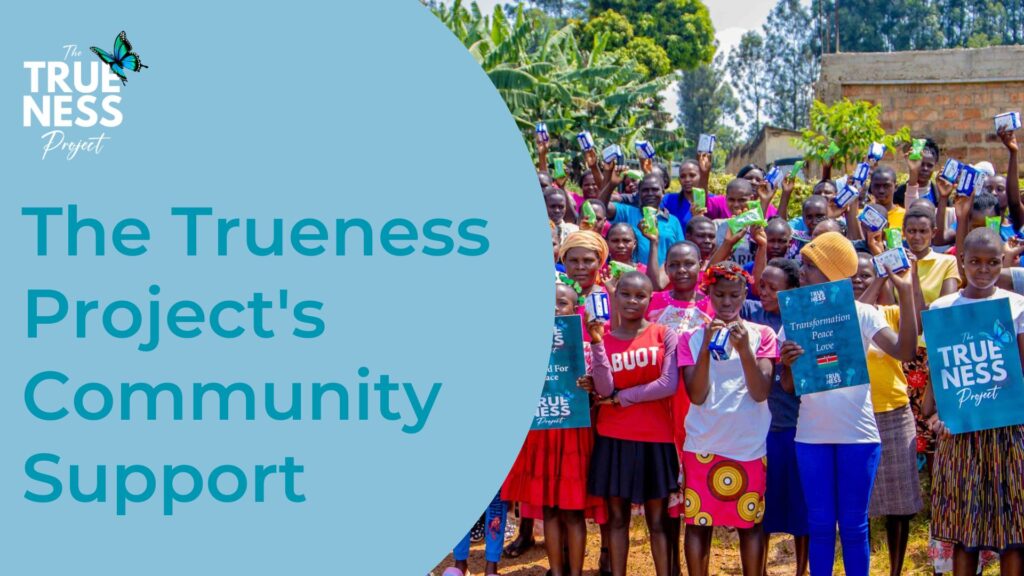
The Trueness Project’s work reflects this approach by focusing on empowerment through storytelling, mentorship, education, and book donations for access to knowledge. When individuals receive tools that expand their confidence and understanding, they become better equipped to contribute to their communities.
The goal is not simply to create people who receive support. The goal is to nurture people who eventually become sources of support for others. That is the cycle that creates sustainable impact.
Start Creating Change
What change are you willing to help create? Communities transform when people come together, recognize shared challenges, and choose to build solutions.
Somewhere among us are people who will inspire generations, create solutions to social challenges, transform their communities, and spark movements that leave a global impact.
Your community needs your voice, ideas, and action. So arise, embrace your purpose, and become the change you desire to see in your community.