
Leading Gen Z and future generations goes beyond authority and power to a mutual understanding of goals and purpose. Their values, needs, and expectations are reshaping what leadership means today.
Without empathy, the generational gap easily becomes a barrier to trust, communication, and growth.
Empathetic leadership offers a solution. It allows leaders to understand differences, embrace change, and inspire collaboration across ages.
This article explores the gap, empathetic strategies, and what younger generations genuinely expect.
The Generational Conflict of Interest
Here are the three main areas of conflict between previous and future generations:
- Work values: Previous generations value loyalty, long-term stability, and commitment to one employer. Gen Z and future generations prioritize flexibility, balance, and purpose-driven work.
- Communication styles: Previous generations lean toward structured, face-to-face communication. Gen Z and beyond prefer digital-first, instant, and inclusive interactions.
- Career expectations: Previous generations expect hierarchical progression through tenure and experience. Gen Z and future generations want creative roles, rapid growth, and meaningful contributions over titles.
Leaders who fail to recognize these shifts risk being seen as out of touch or rigid.
As a result, conflicts of interest arise when expectations clash with outdated leadership practices.
5 Empathetic Leadership Approaches to Bridge the Gap
With the differences in interests and perspectives, empathy becomes essential in finding a generational balance and developing future leaders.
Practical empathetic leadership approaches include:
1. Active Listening and Open Dialogue
Instead of assuming what younger employees want, empathetic leaders ask questions, invite feedback, and create safe spaces for honest conversations.
For example, instead of deciding how a new project should be run, they gather input from younger team members.
This practice makes Gen Z feel valued and also surfaces innovative solutions leaders may have overlooked.
2. Flexible Work Models
Younger generations thrive in environments that respect their autonomy.
Companies offering hybrid or remote options (like allowing two days in-office and three days remote) report higher satisfaction among Gen Z employees.
Leaders who offer options such as hybrid schedules, project-based work, or flexible hours show they respect diverse lifestyles.
3. Inclusive Decision-Making
Bringing younger voices into strategic meetings or community forums empowers them and shows that leadership values diverse perspectives.
For example, a nonprofit planning a fundraising campaign could involve Gen Z in shaping digital strategies, as they are best equipped to understand social media trends.
4. Mentorship with Mutual Learning
Empathetic leaders embrace acting as mentors while also being open to reverse mentoring, learning about new technologies, trends, and cultural shifts from younger team members.
For instance, a leader may mentor Gen Z in leadership skills while being coached on emerging tools like AI-powered platforms in return.
5. Purpose-driven leadership
Gen Z and future generations are highly motivated, seeking to contribute to causes larger than themselves. They want to know how their work contributes to positive change.
A leader who ties organizational goals to community impact—such as linking sales to funding educational programs—creates loyalty and purpose-driven living across all generations.
Leadership Expectations from Future Generations
Future generations expect leadership that feels human: transparent, inclusive, flexible, and deeply connected to purpose.
Here are the key expectations to manage as a leader:
Authenticity and transparency
Future generations want leaders who are real, open, and honest. They understand that living authentically is the key to fulfillment.
As a result, Gen Zs quickly lose trust when leaders hide behind corporate jargon or avoid addressing difficult truths.
For example, admitting mistakes and showing how lessons will shape future decisions builds credibility.
Diversity, Equity, and Inclusion
While older generations often focused on stability and tradition, Gen Z demands fairness and representation.
They expect diverse teams and leaders who advocate for equity in opportunities, promotions, and recognition.
Growth and Creativity Opportunities
Future generations are less motivated by long-term tenure and more by continuous growth. They expect learning opportunities, mentorship, and platforms to express creativity.
Leaders who encourage innovation foster loyalty and unlock hidden potential.
Work-Life Integration
Unlike the “live to work” mindset of earlier generations, Gen Z prefers a balance that respects personal well-being.
They expect leaders to value mental health and provide flexible approaches that accommodate both personal and professional goals.
Social and Environmental Responsibility
Purpose is central. Future generations expect leaders and organizations to contribute to solving global and community issues. These could be through philanthropy, education, or ethical practices.
They are more likely to support leaders who act responsibly beyond profits or personal gain.
How The Trueness Project Is Promoting Empathetic Leadership
The Trueness Project is championing empathetic leadership approaches in various ways, including:
Purpose-Driven Leadership Mentorship
Discovering who you are helps identify and support causes that align with your purpose.
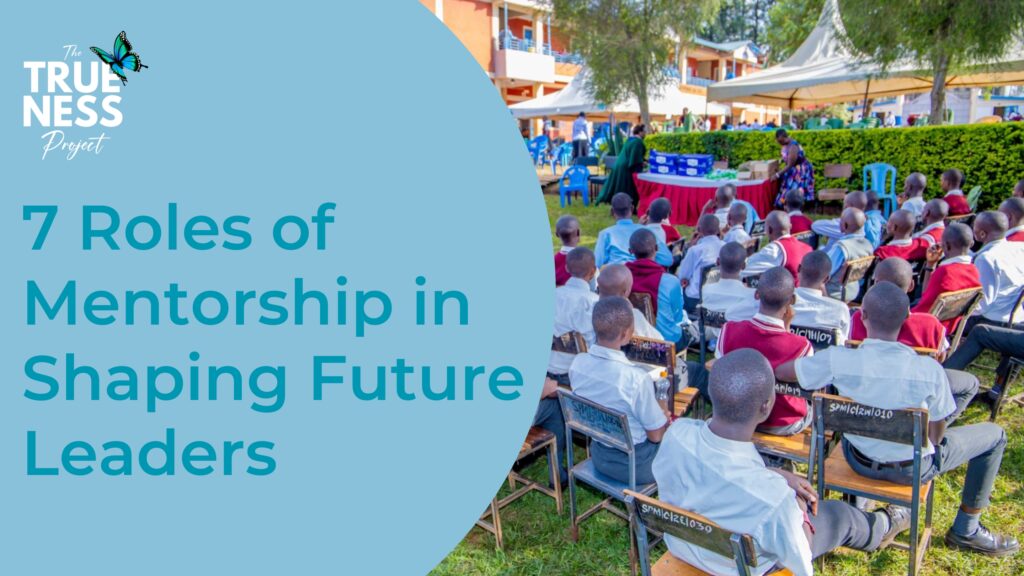
We believe mentorship must go beyond skill transfer to empathy and purpose. With over 15,000 students mentored so far, we are keen to address not only leadership skills but also the way to live a purpose-driven life.
Our youth leadership training initiative is now scaling globally, creating two-way learning between young people and established leaders who listen, guide, and nurture with compassion.
Creativity and Innovation Support
Empathy thrives when young leaders are given space to innovate and express their voices. And talent is only useful when serving the intended purpose.
Our Kereri Girls’ High School authorship project is a clear example of creativity and innovation enablers. Students utilised the space and creativity to publish Leading Forward, a book capturing their own leadership perspectives.
By supporting storytelling and creative expression, we help young people gain confidence and inspire empathy across generations and communities.
Education Empowerment
Access to knowledge is one of the most powerful ways to foster empathetic leadership.
And education goes beyond career to financial accountability and leadership development.
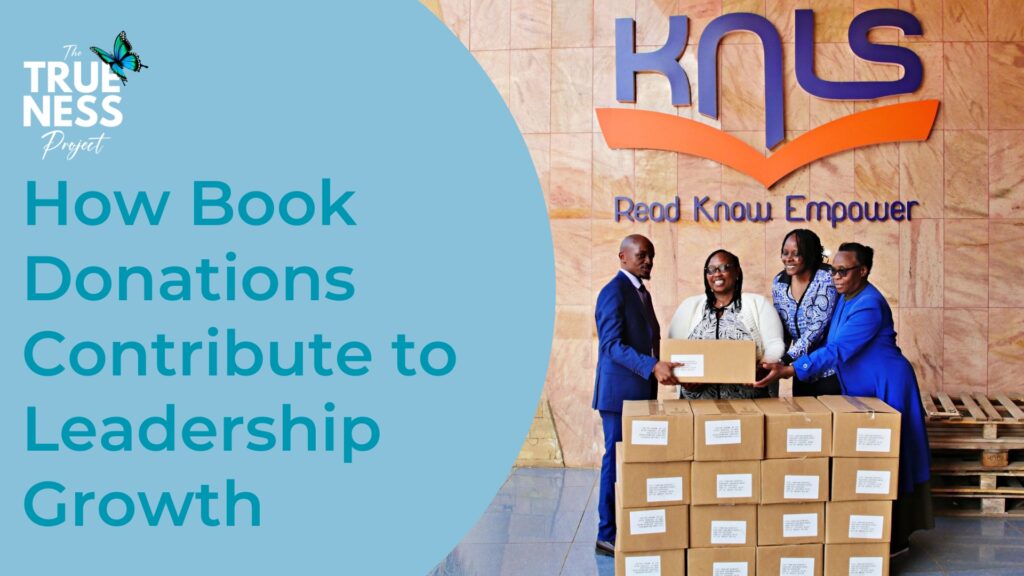
Through our partnership with the Kenya National Library Service, we have donated over 1,250 leadership books, ensuring that both rural and urban communities can benefit from timeless leadership principles.
By making resources available in physical and digital formats, we democratize leadership learning and eliminate barriers tied to privilege.
Let’s Champion Empathetic Leadership Together
Would you like to join us in cultivating authentic, compassionate leaders prepared to bridge generational divides and shape a more empathetic future?
There are various ways you can get involved with us.
Together, let’s bridge the generational divide with strategic and empathetic leadership practices.