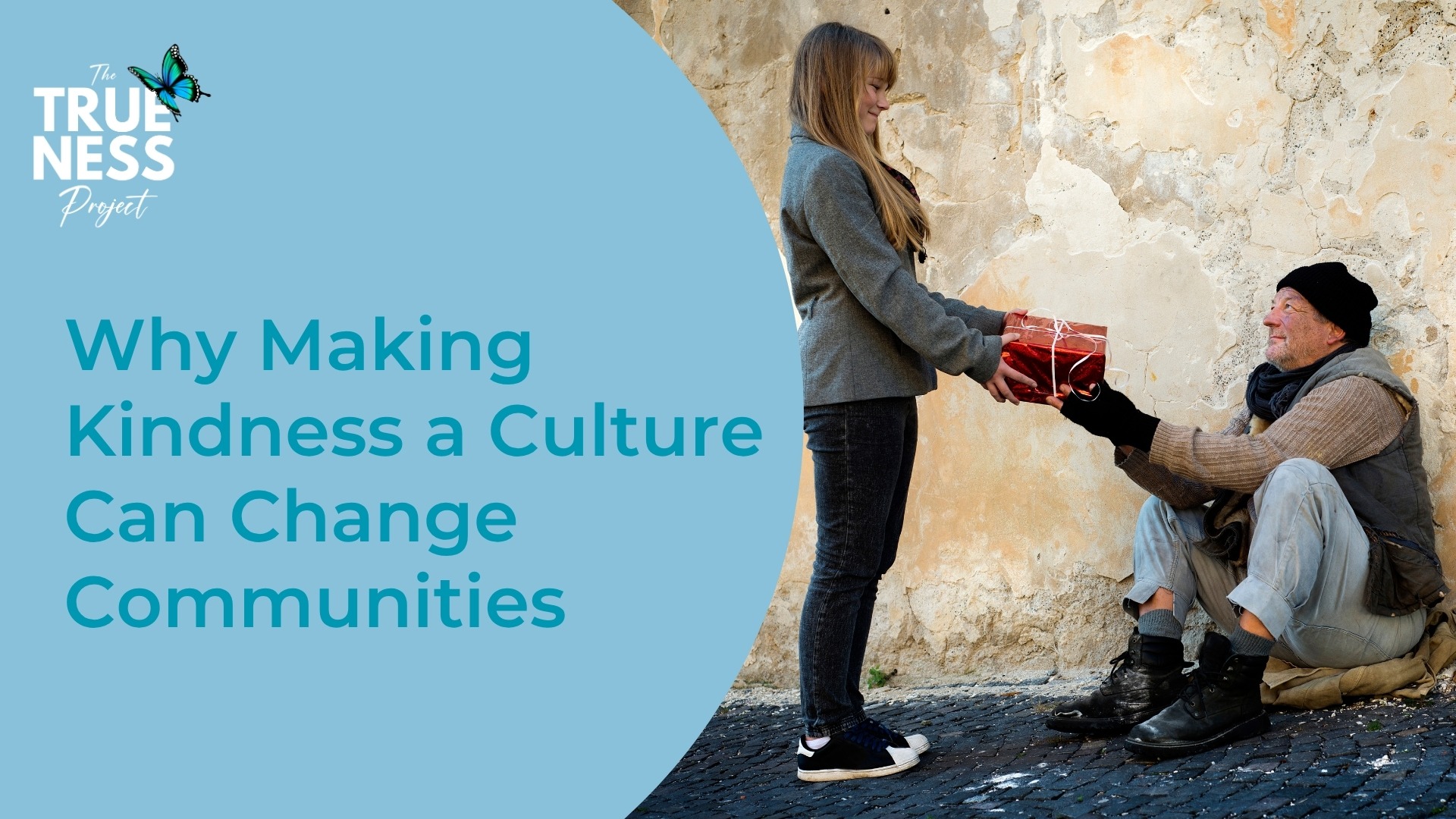
 Kindness is the choice to recognize another person’s dignity and respond with care. It asks us to look beyond ourselves and consider how our actions affect the people around us.
That matters because communities are built through relationships. Schools, neighbourhoods, workplaces, families, and organizations are held together by everyday interactions. The tone of those interactions shapes whether people feel welcomed or ignored, supported or isolated, respected or dismissed.
Everyone needs kindness at some point. There are days when a person needs encouragement, a student wishes for someone to believe in them, a family needs practical support, or a neighbour yearns to know that someone cares. We may not always know what another person is carrying, but we can choose how we meet them.
When kindness becomes a culture we practice consistently, rather than something we remember only on special occasions, it can influence the character of an entire community.
The Power of Kindness in Building Community
A strong community can be seen in how people treat one another.
Kindness creates connection by encouraging people to pass the care and support they receive on to others. A person who receives genuine support may later offer it to someone else, just as a young person who is encouraged may grow to encourage another.
In the same way, a neighbour who receives help during a difficult time may one day be the person who shows up for someone else. In this way, kindness creates a ripple that extends beyond a single act.
People are also more likely to contribute when they feel respected and welcomed. In schools, kindness can help students participate without fear of ridicule. In workplaces, it can strengthen relationships, and when embraced in neighbourhoods, it can encourage cooperation.
Kindness does not mean avoiding honesty, boundaries, or accountability. We can disagree respectfully, correct someone without humiliating them, and hold people responsible while still recognizing their humanity.
A kind community is not one where everyone agrees. It is one where people understand that how they treat one another matters.
5 Benefits of Kindness
Embracing kindness benefits both individuals and the communities they are part of. Below are five key ways kindness can make a difference:
- Builds stronger relationships
Kindness creates positive interactions that help people develop trust, respect, and stronger connections with those around them. - Creates belonging
Small gestures can help people feel noticed and included, particularly those who may otherwise feel disconnected from their community. - Encourages generosity
When people experience generosity, they can become more willing to share their own time, knowledge, resources, or support. - Strengthens cooperation
Considerate communities make collaboration easier because people are more willing to listen, communicate, contribute, and work toward shared goals. - Creates positive ripple effects
One thoughtful action can influence another person’s behaviour, allowing kindness to travel beyond the original moment and reach others.
4 Pillars of Kindness
For kindness to become a lasting practice, it needs a strong foundation. Here are four essential pillars that help turn kindness into real action:
- Empathy
Empathy helps us understand what another person may be experiencing and respond with greater consideration rather than making quick assumptions. - Compassion
Compassion moves from noticing someone’s difficulty to being willing to respond through encouragement, practical assistance, presence, or support. - Generosity
Generosity means giving what we reasonably can, including time, attention, knowledge, opportunities, resources, or encouragement. - Respect
Respect recognizes every person’s dignity. It means listening to others, treating them fairly, and refusing to make someone feel less valuable.
How Can We Make Kindness a Culture in Our Communities?
Making kindness a culture begins with moving it from intention to practice.
Families can start by modeling it. Children learn from what they see. When adults listen respectfully, help others, acknowledge mistakes, and consider people’s needs, young people learn that kindness is something to live, not simply discuss.
Schools can create environments where kindness is visible. Students can welcome newcomers, support classmates, resolve disagreements respectfully, and participate in service activities. Recognition can also extend beyond academic performance to celebrate cooperation, generosity, service, and positive leadership.
Community organizations have another opportunity. Mentorship programmes, book drives, clean-ups, youth activities, outreach initiatives, and volunteer projects give people practical ways to contribute. These experiences show that everyone has something to offer.
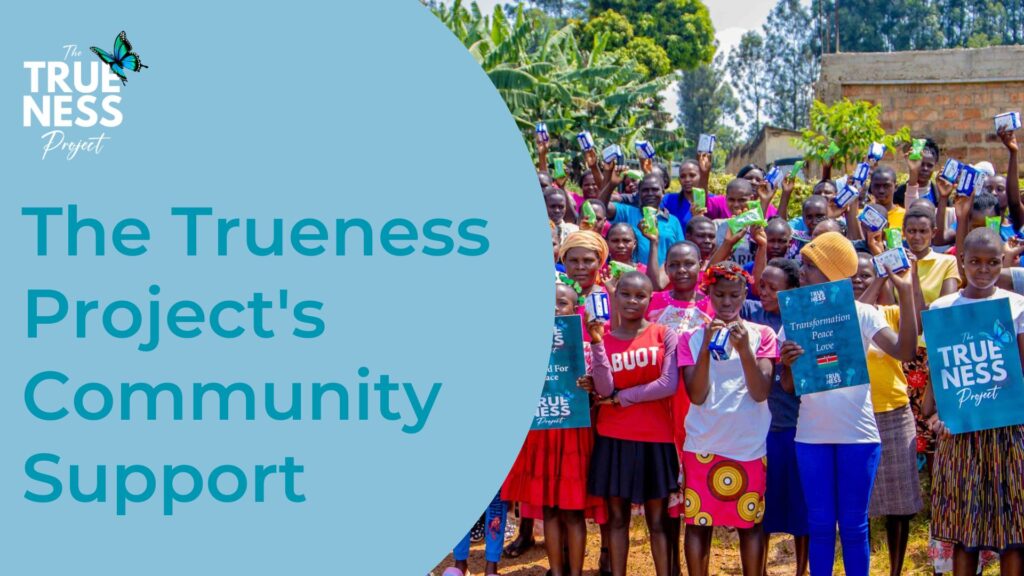
This fits naturally with The Trueness Project’s work with young people and communities, where education, leadership, community development, and empowerment provide practical avenues for creating positive change.
Workplaces can reinforce the same culture through everyday behaviour: welcoming new colleagues, communicating respectfully, helping people through mistakes, and making room for people to ask for support.
Individuals can start by making kindness part of their everyday interactions. A warm greeting or a moment of careful listening can make someone feel acknowledged and valued. Sharing useful information, giving credit where it is due, or checking in on someone who may be struggling can also have a positive impact.
Kindness also means paying attention to people who are often overlooked. Including someone in a conversation, acknowledging their contribution, or thanking people whose efforts rarely receive recognition can help create a stronger sense of belonging and appreciation in everyday life.
Their significance comes from consistency.
A culture cannot be created through a single campaign or one annual event. It develops when the same values appear repeatedly in homes, schools, organizations, and public spaces. The more people see kindness practiced, the easier it becomes for them to practice it themselves.
How Kindness Makes the World a Better Place
The world can sometimes feel dominated by division, competition, and uncertainty. In that environment, kindness may seem too small to create real change.
But much of human life is shaped through ordinary encounters.
Kindness can take many forms in everyday life. A teacher may encourage a student, a neighbour may support a family, or a young person may volunteer their time to help others. Someone may also choose to include a person who has been left out, and that simple act may inspire someone else who witnesses it to extend the same kindness in another situation.
These moments may never make headlines, but they influence the communities around them.
Kindness also challenges the idea that impact must always be measured by size. A large initiative can reach thousands, but a single act can change one person’s experience of a difficult day. When those acts are repeated across classrooms, families, neighbourhoods, and organizations, their collective effect becomes significant.
This is why making kindness a culture matters. We do not need to solve every problem before we can contribute. We can begin with what is within reach and allow those choices to influence others.
Pass Kindness with The Trueness Project
This message is especially significant and timely for The Trueness Project.
Understood. I’d make that section evergreen and center it on why campaigns like this matter, rather than on when they happened:
The power of kindness can grow even further when people and organizations come together around a shared cause. Campaigns that encourage acts of kindness give individuals and communities a practical way to turn a simple value into collective action.
They show that kindness does not have to remain an individual gesture; when many people participate, small acts can build into a wider movement with the potential to influence how people treat one another.
The Trueness Project recently collaborated with Pasalo Pa’lante (Pass Kindness Forward) to educate young people and communities about the importance of kindness and support efforts toward achieving one billion acts of kindness.
Campaigns of this nature are significant because they make kindness visible, measurable, and easier for people to participate in, while reminding communities that meaningful change can begin with everyday actions.
You can learn more about the movement and its approach to passing kindness forward through Pásalo Pa’lante.
For The Trueness Project, being part of this movement is a natural extension of its commitment to building compassionate and connected communities. The significance is not simply in the size of the billion-act goal. It is in what that number represents: countless individual decisions to help, encourage, listen, serve, give, or uplift someone else.
A billion is an enormous number, but every movement begins with one.
It can begin with a single act in a classroom, an encouraging conversation, a helping hand, or one person choosing to care about someone else’s wellbeing. These seemingly simple actions can inspire others to do the same, allowing kindness to grow from one individual to another and from one community to the next.
That is why this collaboration is so timely. If kindness is going to become a culture, young people and communities need opportunities to practice it, talk about it, and pass it forward.
The Trueness Project’s work with Pasalo Pa’lante is one way of turning that belief into action.
The question is, what act of kindness can each of us begin today?