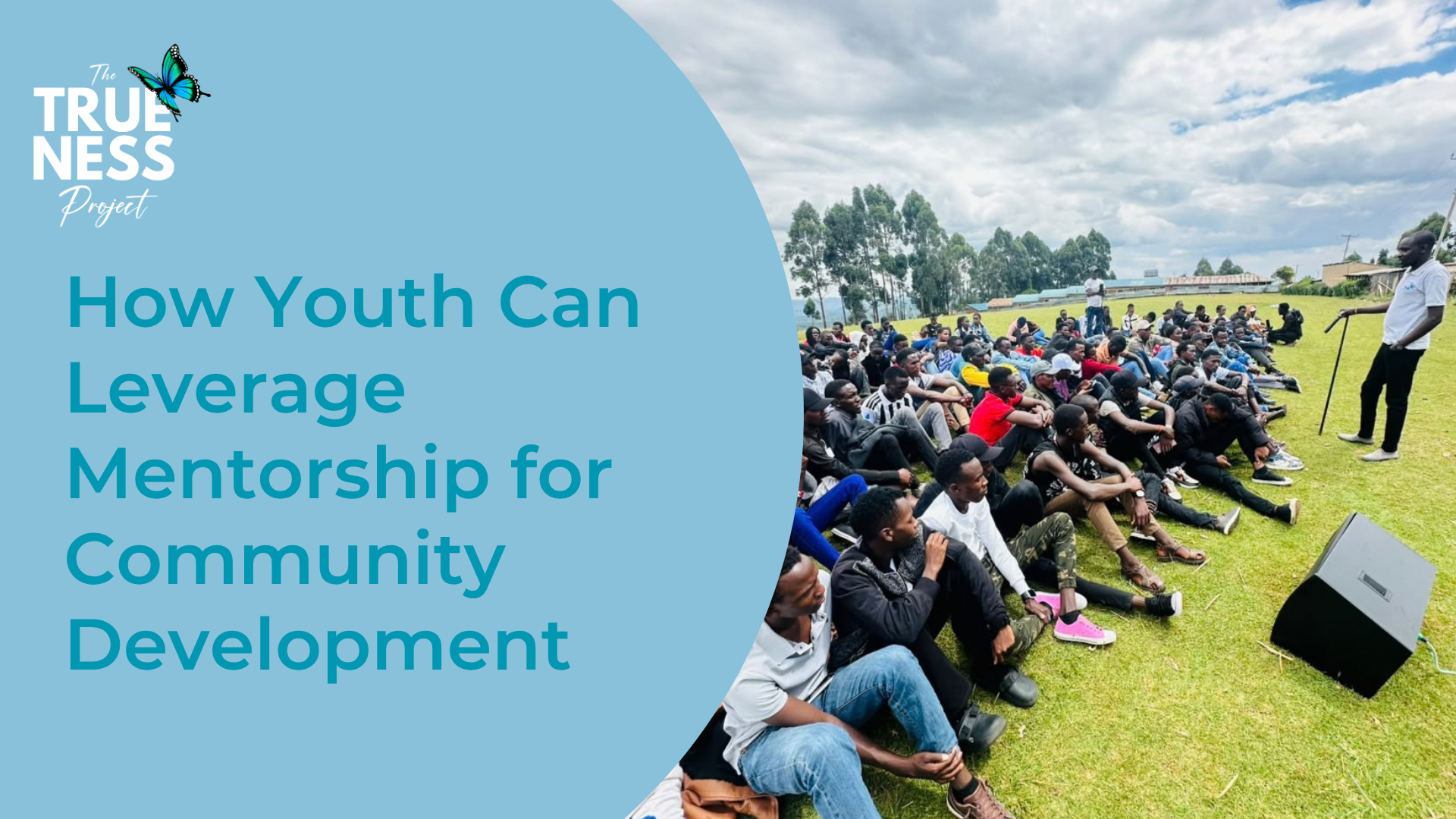
 Young people are often described as the leaders of tomorrow. However, communities need their ideas, energy, and leadership today.
Across schools, neighborhoods, organizations, and social movements, young people are already creating solutions to challenges affecting education, employment, health, inclusion, and opportunity.
Yet, their ability to contribute impactfully can be strengthened when they have access to guidance, encouragement, and practical knowledge.
This is where mentorship becomes powerful.
Mentorship connects experience with ambition. It creates opportunities for young people to learn from others, develop confidence, discover their strengths, and apply their knowledge to real community challenges.
More importantly, mentorship should not only prepare young people to receive support. It should also equip them to become mentors who guide others and contribute to positive change.
How Mentorship Supports Youth Development
Mentorship provides young people with a trusted relationship through which they can ask questions, explore possibilities, and learn from someone with relevant experience.
A mentor can help a young person understand personal strengths, navigate difficult decisions, develop practical skills, and remain accountable to their goals. This support can improve confidence, communication, problem-solving, leadership, and decision-making.
Mentorship also exposes young people to perspectives beyond their immediate environment. Through life-changing conversations and shared experiences, they can discover careers, ideas, opportunities, and approaches they may not have encountered independently.
However, effective mentorship is not simply about giving instructions. It involves listening, encouraging critical thinking, sharing lessons, and helping mentees develop the confidence to make informed decisions.
As explored in 7 Roles of Mentorship in Shaping Future Leaders, mentorship can influence both personal growth and leadership development.
Roles of a Youth Mentor
A youth mentor can serve several important functions in a young person’s development.
-
Guide: A mentor helps young people understand their options, identify priorities, and make thoughtful decisions without taking control of their lives.
-
Coach: Through constructive feedback and encouragement, mentors help mentees strengthen skills, overcome weaknesses, and work consistently toward their goals.
-
Listener: Young people need spaces where they can express concerns without fear of judgment. A mentor listens carefully and responds with empathy and wisdom.
-
Role Model: Mentors demonstrate values such as responsibility, integrity, resilience, discipline, and service through their own actions.
-
Connector: A mentor can introduce young people to useful networks, learning opportunities, professionals, organizations, and resources.
-
Accountability partner: Mentors help mentees track progress, reflect on setbacks, and remain committed to agreed goals.
-
Advocate: A mentor can amplify young people’s ideas, encourage their participation, and support their efforts to influence decisions affecting their communities.
These roles show that mentorship is not about creating dependence. It is about helping young people develop the capacity to think, act, lead, and support others.
Why Youth Should Mentor Others
Young people do not need to have decades of experience before they can become mentors. In many cases, their recent experiences make them particularly effective in supporting peers who are facing similar challenges.
A university student can guide a secondary school learner through academic decisions.
On the other hand, a young entrepreneur can share practical lessons with someone exploring business. A trained digital creator can teach others how to use technology for learning, communication, or income generation.
Becoming a mentor also benefits the mentor. Teaching others strengthens communication, patience, leadership, organization, and self-awareness. It encourages young people to reflect on their own experiences and recognize the knowledge they already possess.
Most importantly, youth mentorship creates a culture in which success is shared rather than guarded. Instead of viewing personal progress as an individual achievement, young people begin to understand their growth as an opportunity to open doors for others.
5 Ways Youth Can Develop Communities
1. Support Education and Learning
Education remains one of the strongest foundations for community development. Young people can contribute by tutoring children, organizing reading clubs, supporting school activities, or helping peers access learning materials.
Those with knowledge in languages, science, technology, writing, or creative arts can share their skills through informal lessons and practical workshops.
These efforts may appear small, but they can improve confidence, strengthen learning habits, and help other young people see education as a pathway to opportunity.
2. Share Practical and Digital Skills
Many communities contain young people with valuable skills that are not being shared widely.
Youth can organize sessions on digital literacy, public speaking, financial awareness, entrepreneurship, communication, research, content creation, or career preparation. They can also teach others how to identify reliable information and use online tools responsibly.
Skill-sharing allows knowledge to move beyond classrooms and professional spaces. It helps community members become more capable, adaptable, and prepared for changing economic and social conditions.
3. Create Community Initiatives
Mentorship can encourage young people to move from discussing problems to developing practical responses.
A group of mentees might organize a neighborhood clean-up, launch a reading campaign, support vulnerable families, establish a mental wellness conversation, or create an environmental awareness project.
Mentors can help them define objectives, assign responsibilities, communicate with stakeholders, manage resources, and evaluate results.
This process teaches young people that community development requires more than enthusiasm. It demands planning, teamwork, consistency, and accountability.
4. Contribute to Better Policies
Young people are directly affected by decisions concerning education, employment, public spaces, technology, health, and social protection. Their experiences should therefore inform policies designed to serve them.
Through mentorship, young people can learn how public institutions work, how to research community needs, how to communicate evidence, and how to participate respectfully in civic discussions.
They can conduct surveys, document challenges, attend public forums, submit recommendations, or collaborate with organizations working on policy issues.
When young people are equipped to contribute informed ideas, they become participants in development rather than passive recipients of decisions.
5. Build Networks That Multiply Opportunity
One mentor may support several young people, but a connected group of mentees can reach many more.
Youth can create peer-support networks where members exchange information about scholarships, internships, training, employment, volunteering, and community initiatives.
They can also collaborate across schools, counties, countries, and professional fields to share experiences and develop joint solutions.
These networks multiply the value of mentorship because every person who gains knowledge can potentially pass it on to someone else.
Creating a Cycle of Impact
The most sustainable mentorship relationships create a cycle of learning and service.
A young person begins as a mentee, receives guidance, develops skills, and gains confidence. With time, that same individual becomes capable of supporting others.
This transition is essential because communities cannot depend indefinitely on a small number of mentors. They need systems that continuously develop new guides, organizers, educators, advocates, and leaders.
For this cycle to succeed, mentorship programmes should encourage young people to apply what they learn. They should be given opportunities to lead projects, solve problems, teach peers, and reflect on their experiences.
Youth-led action becomes stronger when learning is connected to responsibility.
The Trueness Project Experience
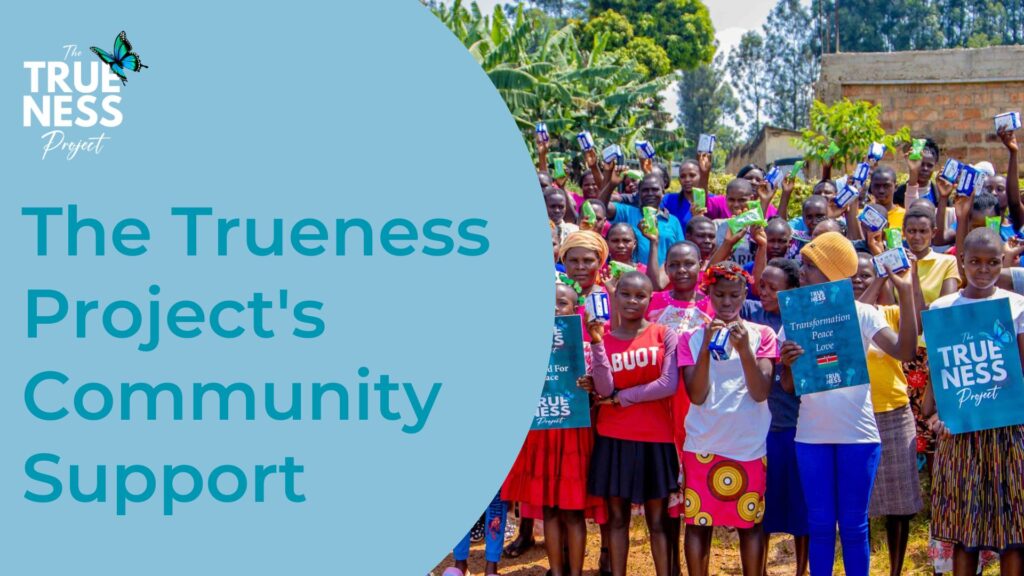
At Trueness Project, our education, mentorship, and youth development work has reached more than 17,000 students and young people through initiatives designed to encourage learning, leadership, creativity, and personal growth.
Our experience demonstrates that young people have enormous potential when they are exposed to knowledge, encouragement, genuine relationships, and opportunities to contribute.
Whether through educational programmes, leadership conversations, reading initiatives, or youth-focused community engagement, the objective extends beyond delivering information. It is about helping young people recognize their value and understand how their choices can influence others.
This vision aligns with the wider importance of youth leadership development, as discussed in Why Youth Leadership Training is Essential for Future Success.
Young people who receive support today can become educators, innovators, organizers, mentors, and community builders tomorrow.
From Mentees to Community Builders
Mentorship should never end with personal achievement. Its deeper value emerges when knowledge, skills, confidence, and opportunities are shared with others.
A young person who has benefited from guidance can support a child struggling in school. Another can help peers develop digital skills. Someone else can organize a community project or contribute ideas to public policy.
These actions demonstrate how individual growth can become collective progress.
As highlighted in 7 Strategies To Raise Impact-Driven Leaders That Transform Communities, transformational leadership develops when people are encouraged to connect purpose with service.
The future of community development depends partly on how effectively we prepare young people not only to pursue opportunities, but also to create opportunities for others.
When youth embrace mentorship as both learners and contributors, they help build communities where knowledge circulates, leadership expands, and positive change becomes shared responsibility.